





Understanding Developmental Disabilities: A Guide to Compassionate, Person-Centered Support
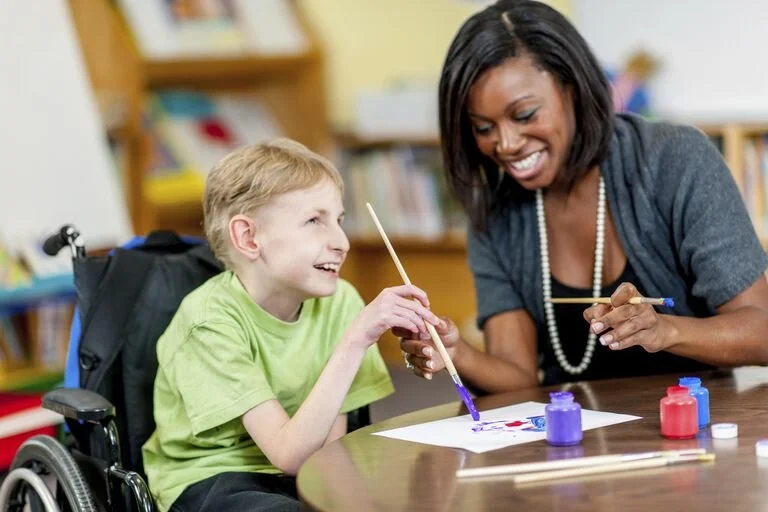
Developmental disabilities can affect how a person learns, communicates, moves, or manages everyday activities. But a diagnosis does not define a person’s abilities, interests, goals, or potential.
With compassionate and individualized support, people with developmental disabilities can develop valuable life skills, build meaningful relationships, participate in their communities, and work toward greater independence.
At Another Chance Care, we believe meaningful support starts with understanding the individual—not simply focusing on a diagnosis.
What Are Developmental Disabilities?
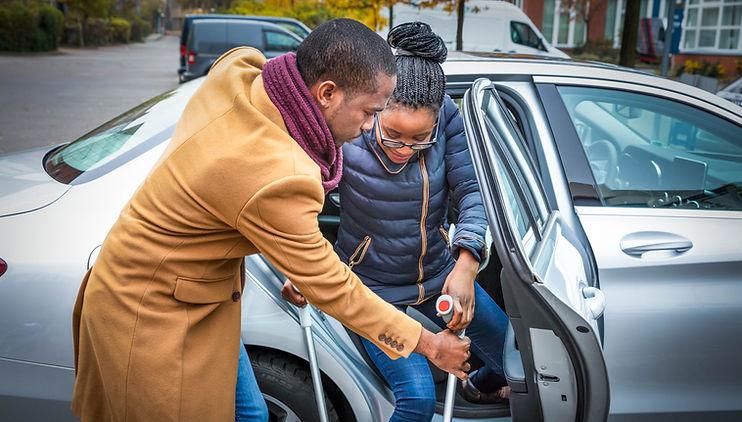
Developmental disabilities are a group of conditions that can affect physical, intellectual, behavioral, or learning development. They generally begin during the developmental years and may continue throughout a person’s lifetime.
Examples can include intellectual disabilities, autism spectrum disorder, cerebral palsy, Down syndrome, and certain genetic or developmental conditions.
Every person is different. Individuals with the same diagnosis may have very different strengths, communication styles, preferences, abilities, and support needs.
This is why effective support should never be based solely on a diagnosis. It should be built around the person.
Key Takeaway
A developmental disability is only one part of a person’s life. Effective support recognizes individual strengths, respects personal choices, and creates opportunities for meaningful growth.
The Importance of Person-Centered Support
Person-centered support focuses on the individual rather than applying the same approach to everyone.
Instead of asking only, “What does this person need help with?” caregivers can also ask, “What does this person want to accomplish?”
That distinction can change the entire approach to care.
One person may want to become more comfortable preparing meals. Another may want to develop transportation skills, participate in community activities, improve communication, or build stronger social connections.
Their goals should help guide the support they receive.
Building Independence One Step at a Time
Independence does not always mean doing everything without assistance.
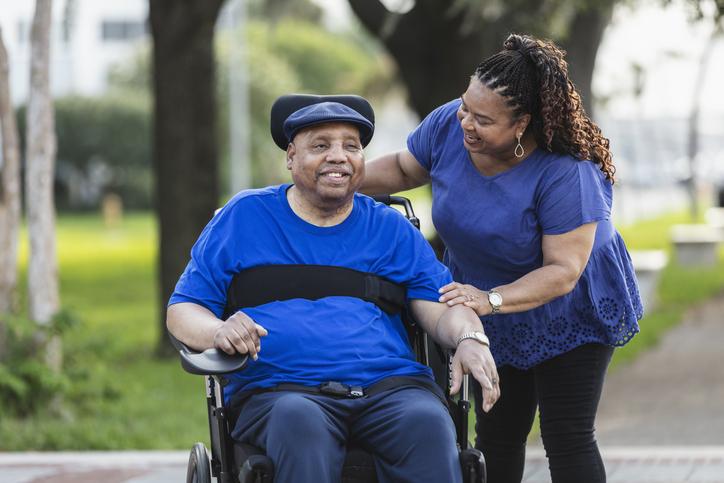
For many individuals, independence can mean having the opportunity to make choices, participate in everyday activities, and complete tasks with the appropriate level of support.
Progress can begin with small steps.
- Preparing a simple meal
- Organizing personal belongings
- Practicing personal hygiene routines
- Following a daily schedule
- Learning shopping skills
- Practicing communication
- Exploring hobbies and interests
- Participating in community activities
- Developing transportation skills
A task that may seem small to someone else can represent an important achievement for an individual working toward greater independence.
Community Participation and Inclusion
Being part of a community is an important part of a meaningful life.
Community activities can provide opportunities to develop social skills, explore interests, build relationships, and experience a stronger sense of belonging.
Depending on an individual’s interests and abilities, community participation might include visiting a library, attending local events, going shopping, participating in recreational activities, volunteering, visiting parks, or exploring new hobbies.
These experiences are more than ways to stay busy. They can provide opportunities to make choices, practice communication, develop confidence, and discover new interests.
Support Should Create Opportunities
The goal of support isn’t simply to help someone complete a task. It is to create opportunities for learning, choice, participation, confidence, and connection.The goal of support isn’t simply to help someone complete a task. It is to create opportunities for learning, choice, participation, confidence, and connection.
The goal of support isn’t simply to help someone complete a task. It is to create opportunities for learning, choice, participation, confidence, and connection.